
ADM Ottawa Physiotherapy | Bells Corners | Montreal Road

Stay Steady This Summer: Balance and Fall Prevention for Ottawa’s Busiest Season

Gatineau Park’s trails are packed again, the Rideau Canal pathway is thick with cyclists and runners, cottage traffic is backed up on the 417 every Friday, and half the city seems to be standing on a dock somewhere. After a long winter of staying close to home, Ottawa moves in the summer — and moves fast.

Which is exactly why this is the season we see the most trips, stumbles, and the occasional real fall. Not usually from anything dramatic — a foot catching a root on a shaded trail, a slick patch on a dock ramp, a missed step off a curb while looking at a patio menu instead of the ground. One bad landing can turn into a sprained ankle that sidelines the rest of your summer.

Here’s the part people don’t always expect: balance isn’t just something that declines with age. It’s a trainable skill, like strength or flexibility, and it quietly gets rusty in anyone — hiker, cottage-goer, weekend athlete, frequent flyer — who spends most of the year on flat, predictable ground. Let’s look at what actually keeps you upright, why summer is when it gets tested hardest, and a few things you can do about it.

Read More

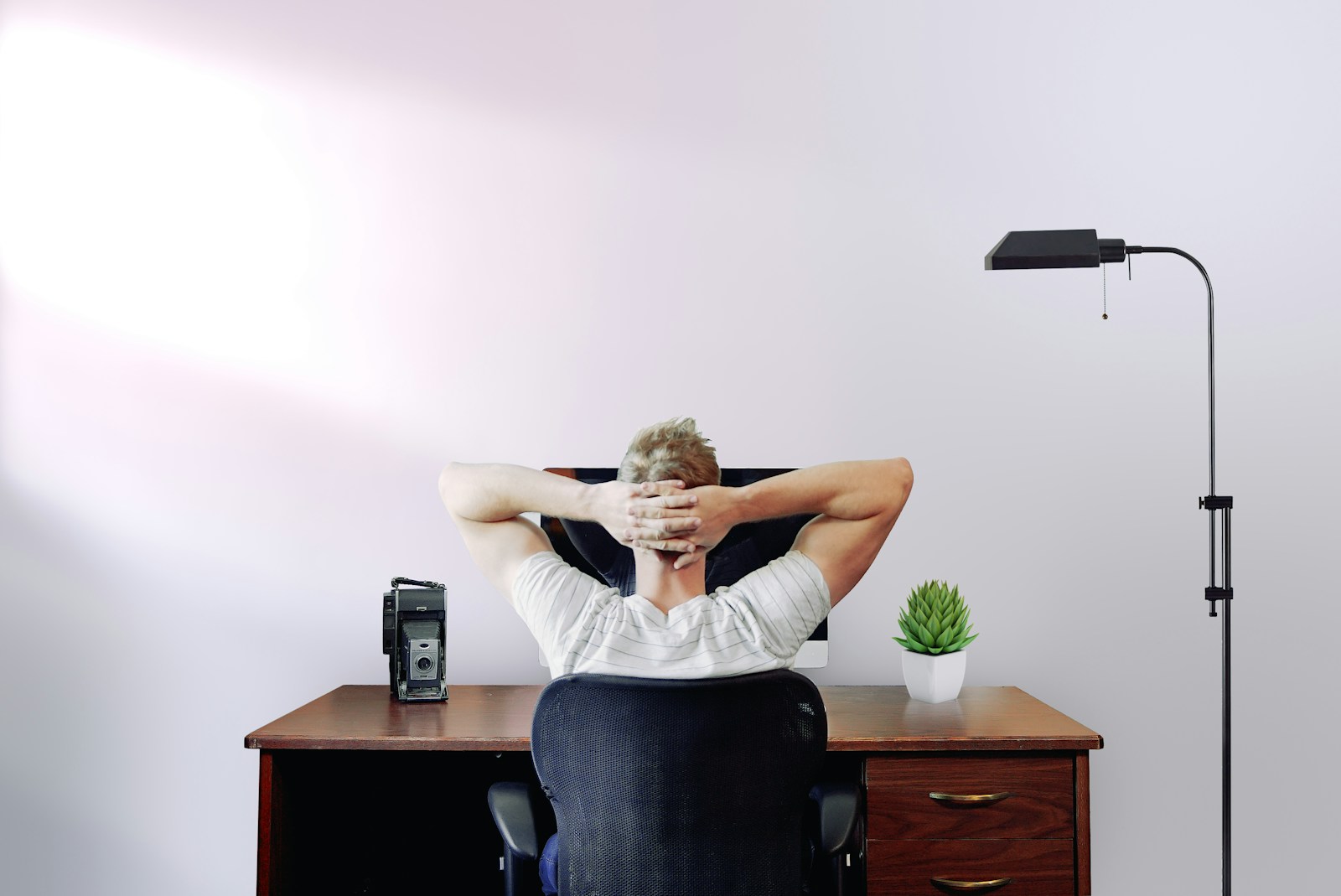
Person sitting at a desk holding their hip area

Why Your Hips Hurt After Sitting All Day — And What to Do About It

After a full day at a desk — or a long commute, or a day of back-to-back meetings — a lot of people notice something: their hips ache. Sometimes it’s a deep, achy tightness at the front. Sometimes a nagging pain through the outer hip or buttock. Sometimes it’s hard to even pinpoint exactly where it is.

If that sounds familiar, you’re not alone. Sitting-related hip pain is one of the most common complaints we see at our clinics at Bells Corners and Montreal Road — and it’s becoming more common as more Ottawa residents work from home, often in chairs and setups that weren’t designed with hours of daily use in mind.

Read More

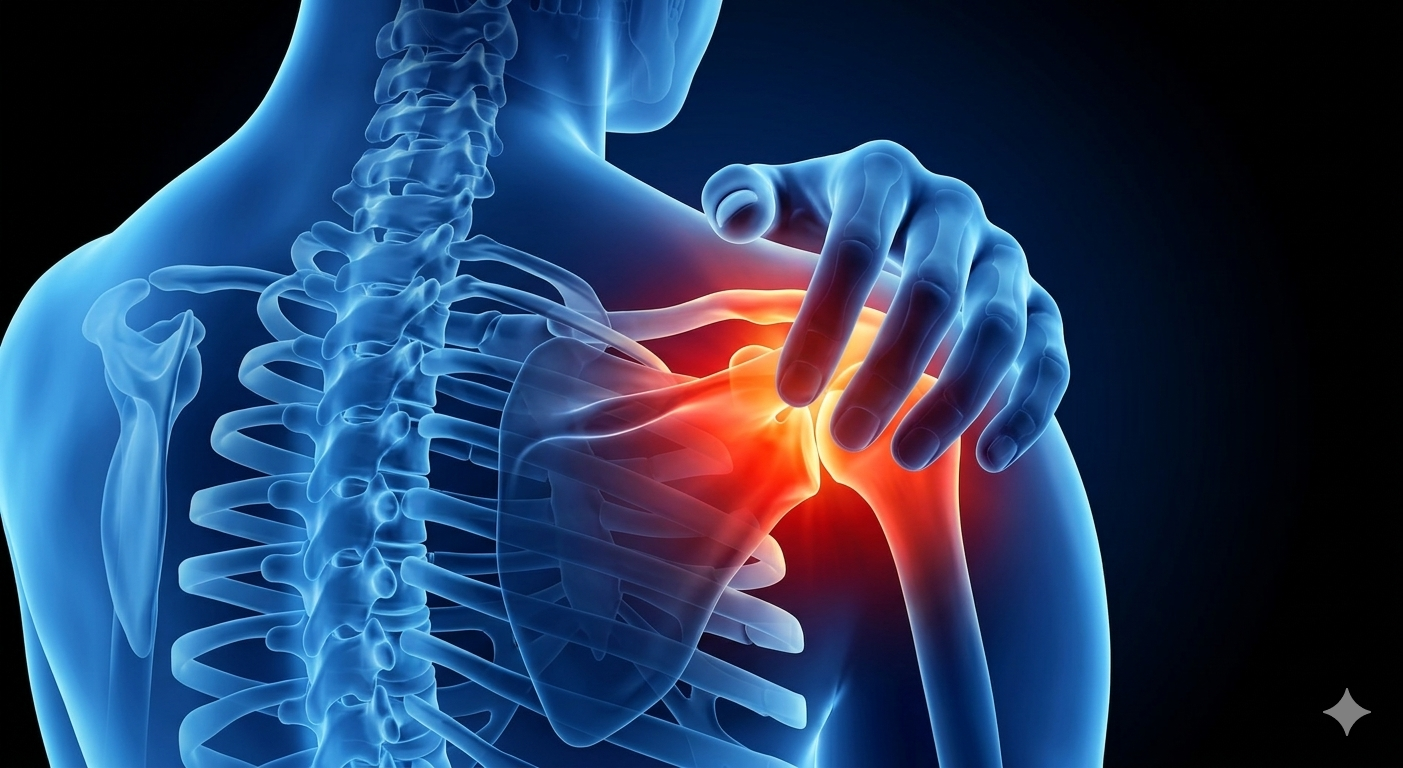
X-ray style image showing shoulder pain or discomfort

Why Your Shoulder Hurts, And What You Can Do About It

After months of shoveling Ottawa driveways, bundling up in heavy coats, and spending long hours hunched over screens, your shoulders have been quietly working overtime. And now that warmer weather is (finally) on the horizon, many of us are eager to get moving again. But that transition can catch your shoulders off guard.

The shoulder is one of the most mobile joints in your body, which is great for reaching, lifting, and throwing. But that mobility comes with a trade-off: it’s also one of the most vulnerable to injury…

Read More

What Is Vertigo, And How Physiotherapy Actually Fixes It

Have you ever felt like the room was spinning, even though you were standing still? Or rolled over in bed and suddenly felt off-balance?

That spinning sensation is often vertigo. And the good news? In many cases, physiotherapy can treat it quickly and effectively.

At ADM Ottawa Physio, we see many patients who are surprised to learn that their vertigo isn’t “just something they have to live with.” Let’s break it down in simple terms.

Read More

Full shot of woman taking reformer Pilates

Pilates Benefits Nobody Talks About (But Should)

When most people think of Pilates, they picture slow movements, core work, and maybe something “gentle.” Usually, they are thinking of mat Pilates, but there is a whole other side: Reformer Pilates. Regardless of the method, pilates offers far more than flat abs or flexibility. From a physiotherapy perspective, Pilates is one of the most underrated tools for long-term movement health

Read More

Pain vs Function: Which to use to know I am healthy

Today I wanted to talk to you about pain vs function. Many people I encounter in the clinic will typically use pain as the main driving factor of their decisions on whether or not they should be coming to or leaving therapy. However, I’m here to tell you that pain is not the best measurement of how a person’s physical health is doing

The best and most representative test or criteria we should watch for is physical function. I’ll talk a little more about this idea in general later on, but one analogy that I wanted to share with you is something I share with many people. Imagine if you had your finger stuck in the door for a second, and then the door is opening and closing on your finger. That finger might become very bloody, sore, swollen, thus getting all of the attention as far as wrapping the finger, cleaning, icing, and so on.

Read More